Klara Otto · 6 September 2026
Decoding Retention Signals in Adaptive Learning Systems for Career-Focused Learners
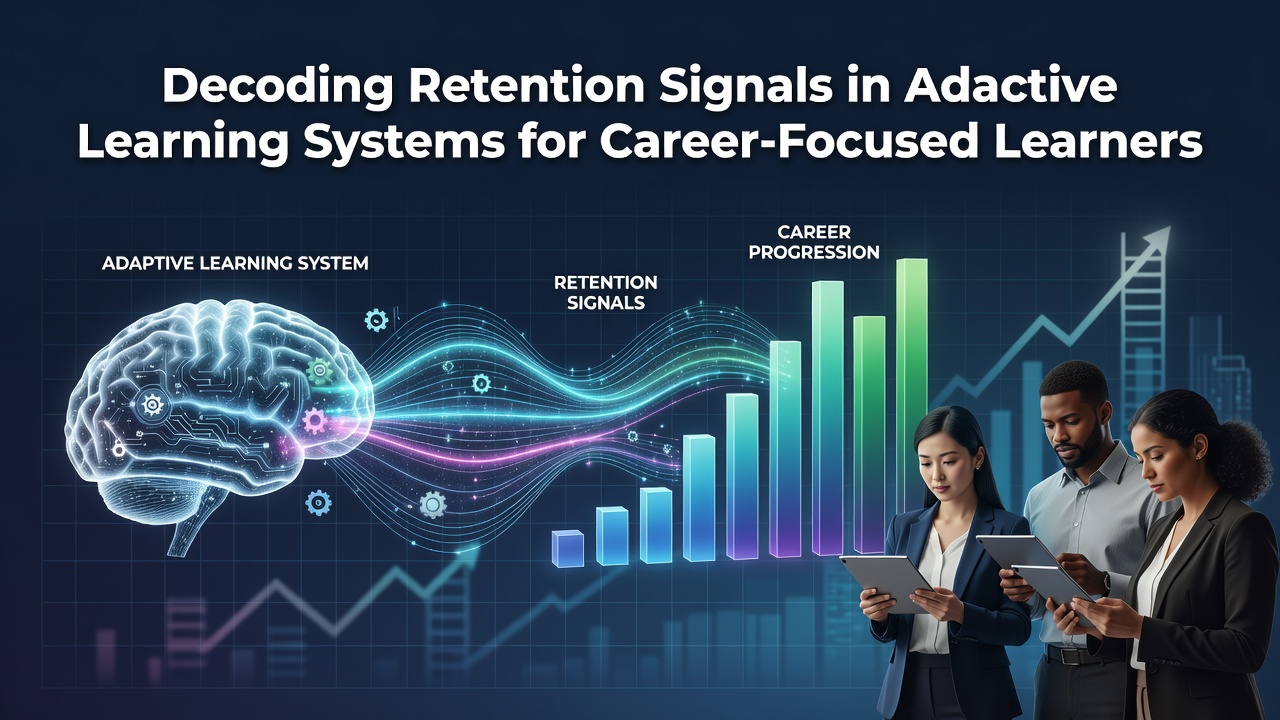
Adaptive learning systems track user interactions through algorithms that adjust content delivery based on performance patterns, and retention signals form a core component of these platforms for individuals pursuing career advancement. These signals include login frequency, module completion rates, time spent on assessments, and interaction depth with personalized recommendations. Data from education technology platforms indicates that career-focused learners often exhibit distinct patterns, such as prioritizing skill-specific pathways over general courses, which systems use to predict continued engagement.
Core Components of Retention Signal Analysis
Retention signals break down into behavioral metrics like session duration and navigation paths, cognitive indicators such as quiz accuracy trends, and motivational cues derived from goal-setting features. Researchers at various institutions have mapped these elements to machine learning models that forecast dropout risks, and the process involves real-time data aggregation from multiple user touchpoints. Studies show career-oriented participants respond strongly to signals tied to certification progress, where systems detect hesitation through repeated pauses on advanced topics and intervene with targeted resources.
Behavioral and Engagement Metrics
Platforms collect data on click patterns and content revisits, while algorithms correlate these with long-term retention rates across thousands of users. For career-focused learners, high engagement with job-market aligned simulations often signals stronger commitment, and systems adjust difficulty levels accordingly to maintain momentum. Figures from ongoing platform analyses reveal that learners who interact with peer discussion threads show elevated retention compared to those who skip collaborative elements.
Implementation in Career Development Contexts
Adaptive systems tailor pathways for professionals seeking promotions or role changes by decoding signals around skill gap identification and progress velocity. When a user consistently completes modules ahead of schedule, the platform escalates to advanced certifications, and this adjustment relies on historical data patterns from similar demographic groups. In September 2026, industry updates highlighted expanded use of these signals in workforce retraining programs, where integration with employment databases allowed more precise matching of learner progress to market demands.
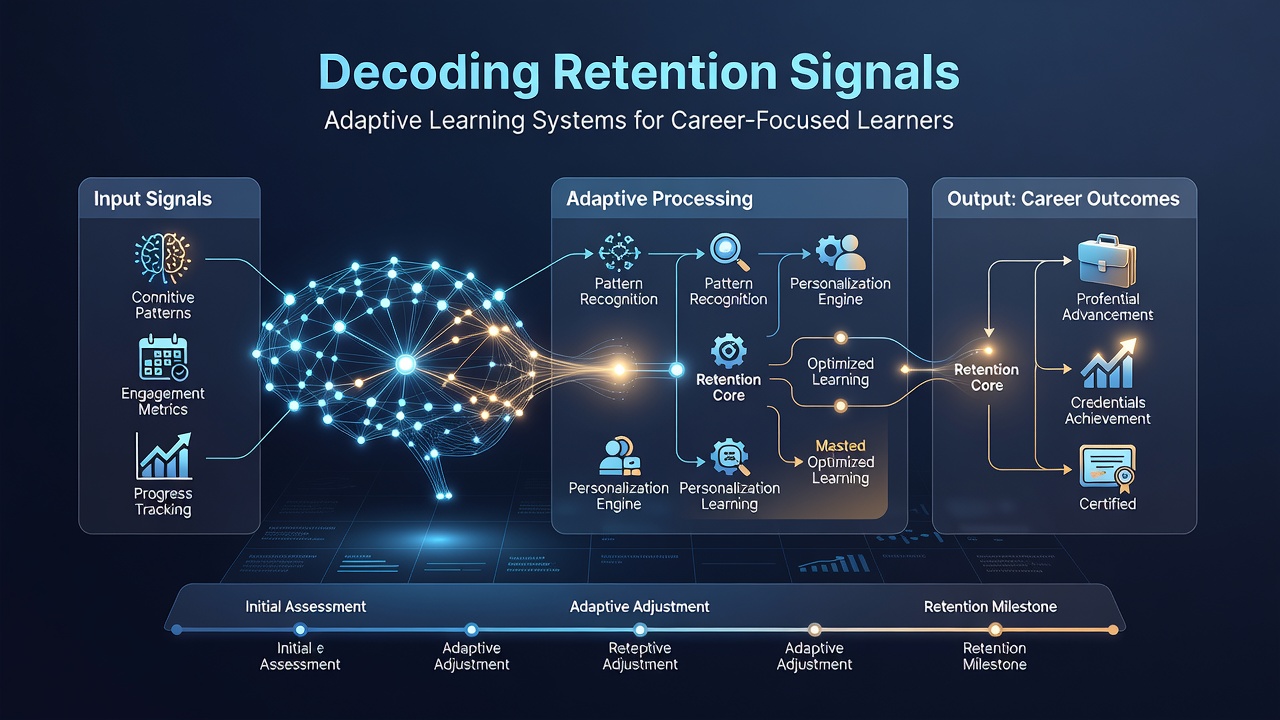
One study revealed that retention improves when systems flag declining interaction early and offer micro-credentials as incentives. Career-focused users benefit because the technology aligns content with specific occupational standards, and data aggregation across regions supports cross-border applicability in fields like technology and healthcare. Observers note that platforms incorporating employer feedback loops strengthen signal accuracy, leading to higher completion percentages among participants preparing for industry exams.
Data Sources and Analytical Techniques
Analytical models draw from anonymized user datasets processed through clustering methods that group learners by career stage and engagement style. According to research from the OECD education directorate, retention prediction accuracy reaches higher levels when systems combine quantitative metrics with qualitative feedback from career goal surveys. Platforms also reference reports from the US Department of Education on technology integration, which detail how adaptive features reduce attrition in adult education programs focused on vocational skills.
Techniques include decision trees for signal prioritization and neural networks for pattern recognition in large-scale deployments. Career learners who receive customized nudges based on these analyses demonstrate steadier participation, and longitudinal tracking shows sustained benefits when signals trigger timely content refreshes. Those who've studied platform implementations find that combining time-on-task data with external benchmarks like job placement rates yields robust insights into effective retention strategies.
Challenges in Signal Interpretation
Variability in learner backgrounds introduces complexity, since career switchers may display different signal profiles than those advancing within established fields. Systems must account for external factors such as work schedules that affect session timing, and misinterpretation can lead to irrelevant recommendations that reduce engagement. Data indicates privacy considerations play a role in signal collection, with platforms required to maintain compliance across jurisdictions to sustain user trust and long-term platform usage.
Conclusion
Decoding retention signals enables adaptive learning systems to support career-focused learners through precise content adjustments and timely interventions. The integration of behavioral, cognitive, and motivational data creates frameworks that align educational progress with professional objectives. As platforms evolve, continued refinement of these analytical methods supports broader access to skill development resources across diverse career paths.